

VPX systems for defense
Build a VPX system around your defense application’s requirements
What to consider when choosing a VPX system for defense
When choosing a VPX system for a defense application, you need to consider more than processing power. Your system may need to handle large amounts of data, connect multiple components and operate within strict limits for space, power and cooling.
VPX technology provides a modular approach to embedded computing, allowing you to configure a system around your application’s requirements. But which components do you need, and how do VPX, OpenVPX and SOSA affect your system design?
This guide explains the technology and the key considerations when selecting rugged VPX systems for defense applications.
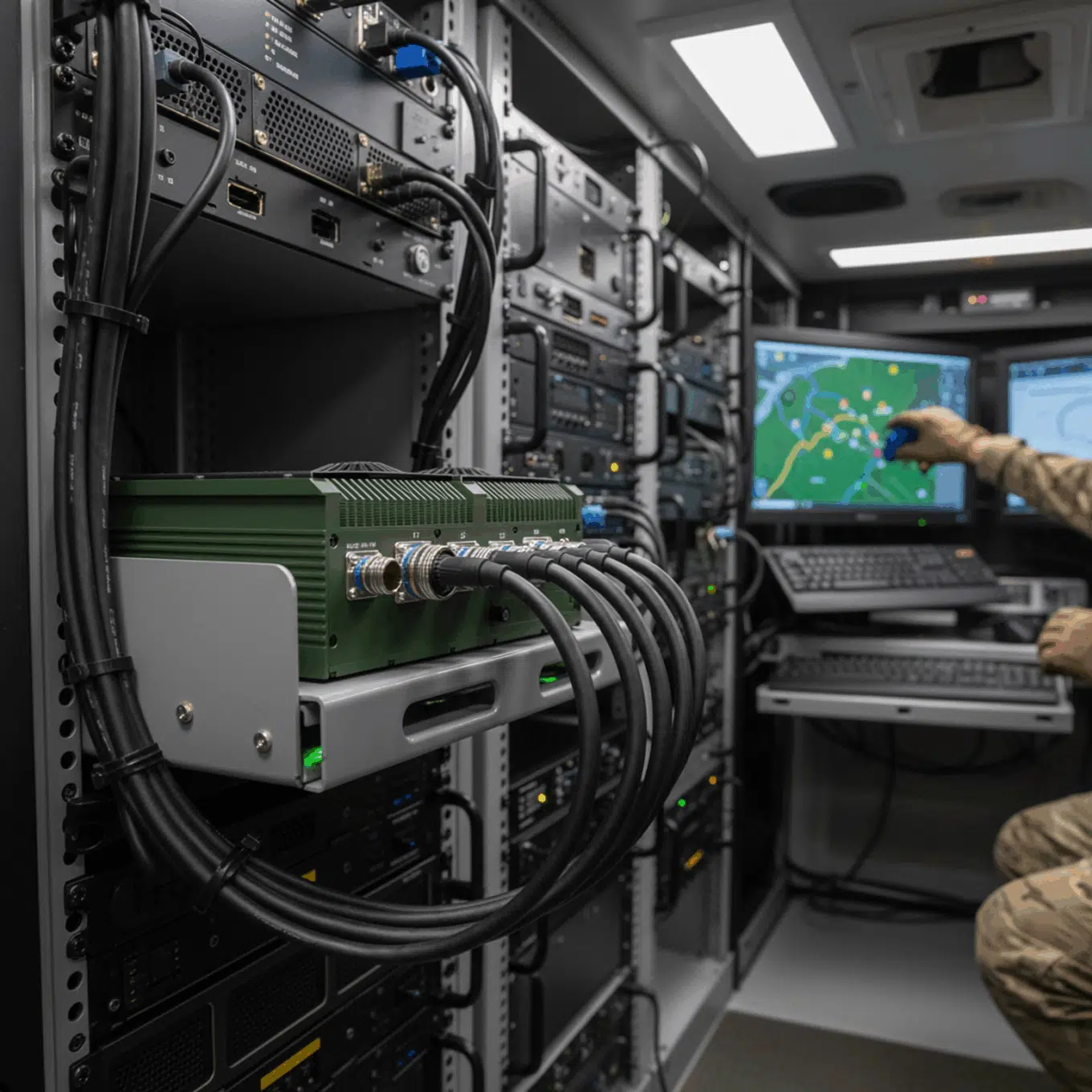
What is a VPX system?
VPX is a family of standards for modular embedded computing hardware. A VPX system combines different boards inside a chassis, connected through a shared backplane.
Depending on your application, your system may include:
- CPU boards for general computing and system control.
- FPGA boards for specialized processing tasks.
- Switch boards for communication between components and networks.
- A backplane and chassis to connect and house the hardware.
The boards connect through a shared backplane inside the chassis, which houses and protects the hardware. Each board has a specific role, with the CPU handling general computing, FPGA boards performing specialized processing and switch boards managing communication between components.
The advantage is flexibility. You can configure a system around your processing, connectivity and integration requirements rather than relying on one fixed hardware setup.
Which VPX components do you need?
Start by defining what your application needs to do:
CPU boards for computing performance
Your CPU board handles general computing tasks. When selecting a VPX CPU board, consider the processor architecture, number of cores, memory capacity and available interfaces.
These specifications should match the processing demands and software requirements of your application.
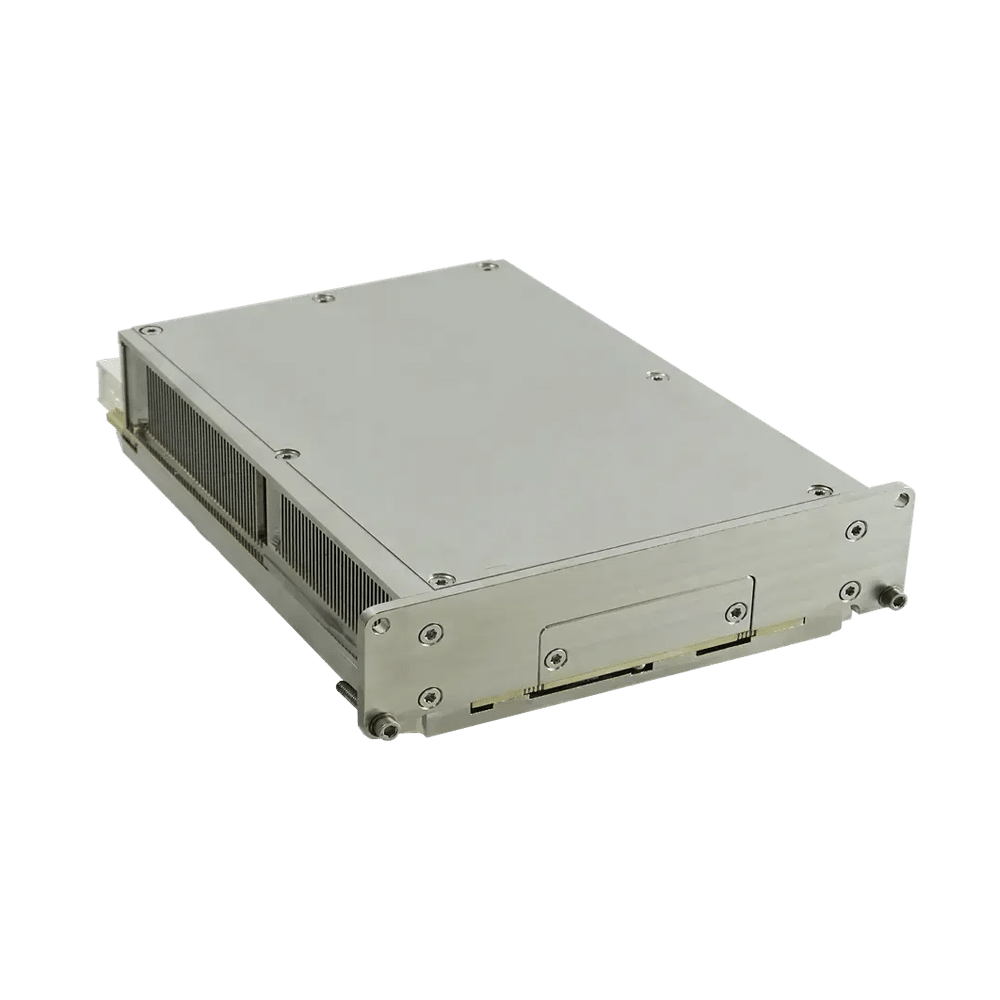
Blue Line offers several options, including
- 3U VPX CPU Intel® Xeon® 6 for compute-intensive applications
- TR-LBx CPU based on a 13th Gen Intel® Core™ i7 processor
- ARM-VPX3c for compact systems where processing performance and low power consumption matter
FPGA boards for specialized processing
If your application requires specialized data processing, an FPGA can complement your CPU.
It allows hardware logic to be configured for specific tasks.
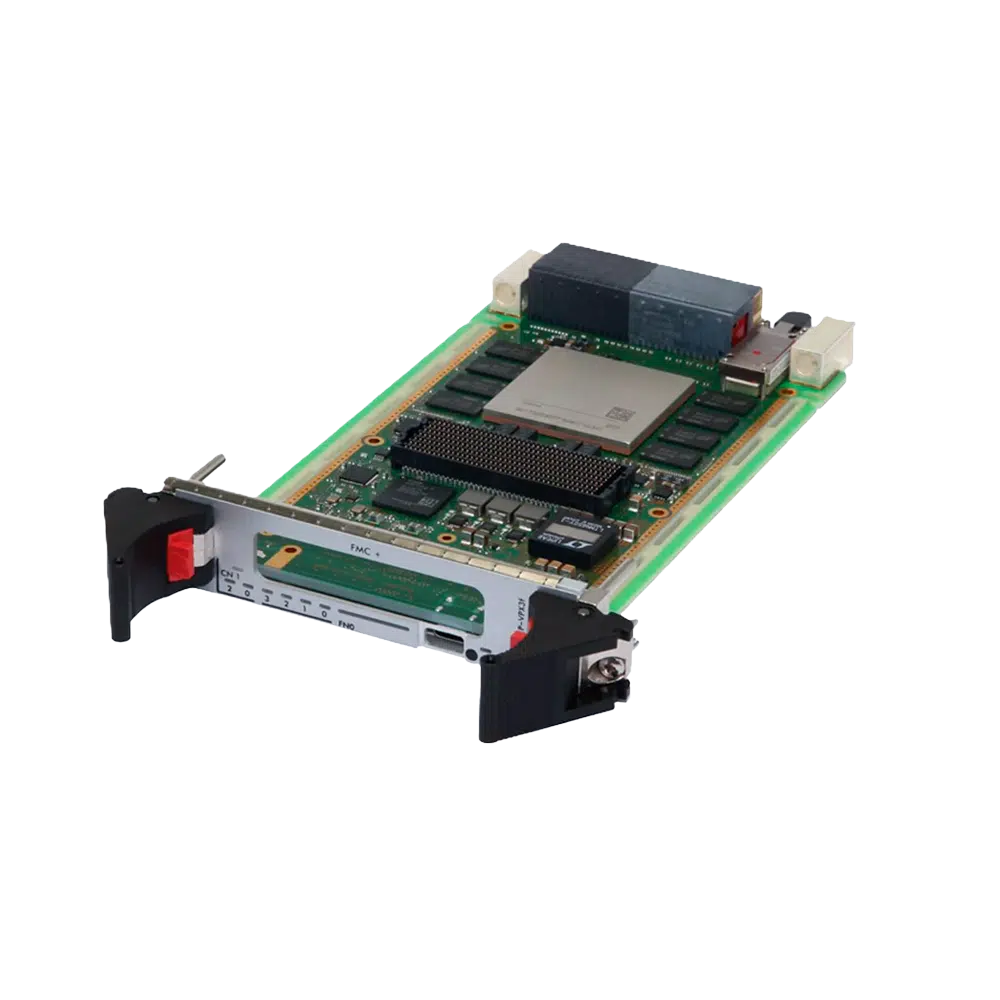
- FEP-VPX3f FPGA board is a rugged 3U VPX board with an FMC+ site and VITA 66.5 compliance.
Switches for data communication
Your components need to exchange data reliably and at the required speed. The right switch depends on your bandwidth, interfaces and network architecture.
- FR-352 Defense Switch is a Layer 2/3 Ethernet switch designed with SOSA alignment in mind.
- ComEth-4682e supports 1 to 100 Gigabit Ethernet connectivity.
3U or 6U VPX: Which format fits your system?
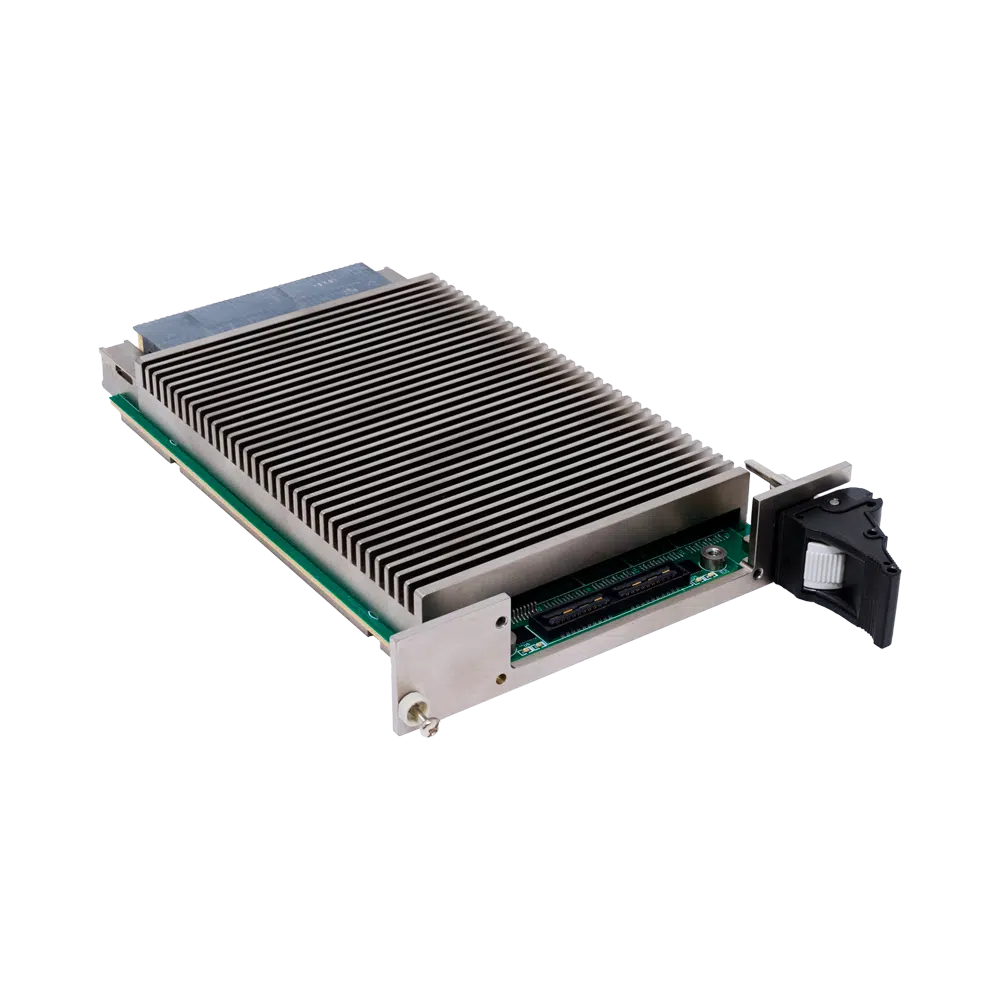
The 3U and 6U formats refer to different VPX board sizes. Your choice depends on the available hardware, processing and I/O requirements, space constraints and overall system design.
Blue Line’s VPX-3500 is a rugged enclosure designed for 3U OpenVPX configurations. For systems built around 6U boards, the VPX-2000 is a rugged 10U enclosure designed to accommodate up to ten 6U VPX boards.
Consider the complete configuration, including the backplane, power requirements and cooling, before choosing a format.
| 3U VPX | 6U VPX | |
| Board size | More compact format | Larger board format |
| System design | Suitable for compact configurations | Provides more physical space for board design |
| Selection | Depends on processing, I/O and platform constraints | Depends on processing, I/O and platform constraints |
“If you want to protect your mission capabilities and stay ahead of future requirements, choosing the right hardware is essential”
– Brian Ulskov Sørensen, CEO & Defense Specialist, Blue Line Nordic.
VPX, OpenVPX and SOSA explained
These terms are related, but they are not interchangeable. If your project requires SOSA alignment, check the applicable profiles and product documentation. SOSA-aligned should not automatically be interpreted as certified or compliant with every SOSA requirement.
Stay safe with VPX systems for defense
Explore Blue Line’s range of VPX systems and components for demanding defense applications. From rugged enclosures to high-performance CPU, FPGA and switch boards, our solutions help you build a modular computing platform tailored to your mission requirements.

Defense VPX System VPX-3500
Defense VPX-3500 System is a Modular Military Rugged ATR enclosure, geared for 3U OpenVPX designs.
The versatile design allows multiple customizable configurations based on proven components and design techniques. The Hybrid conduction cooling cold plate assisted by forced air sets with aggregate power demands over 300W, assisted by liquid up to 600W.
Blue Line 3U VPX CPU Intel® Xeon® 6
3U VPX CPU technology with Intel® Xeon® 6 gives you powerful processing performance for compute intensive defense and mission critical applications. Developed in alignment with the SOSA® Technical Standard, the Blue Line solution combines up to 32 processor cores, large DDR5 memory capacity and high speed connectivity in a rugged VPX platform.
Blue Line 3U VPX Defense Switch FR-352
The Blue Line 3U VPX Defense Switch FR-352 is a state-of-the-art 3U VPX™ layer 2/3 Ethernet switch, engineered to comply with SOSA™ alignment standards.
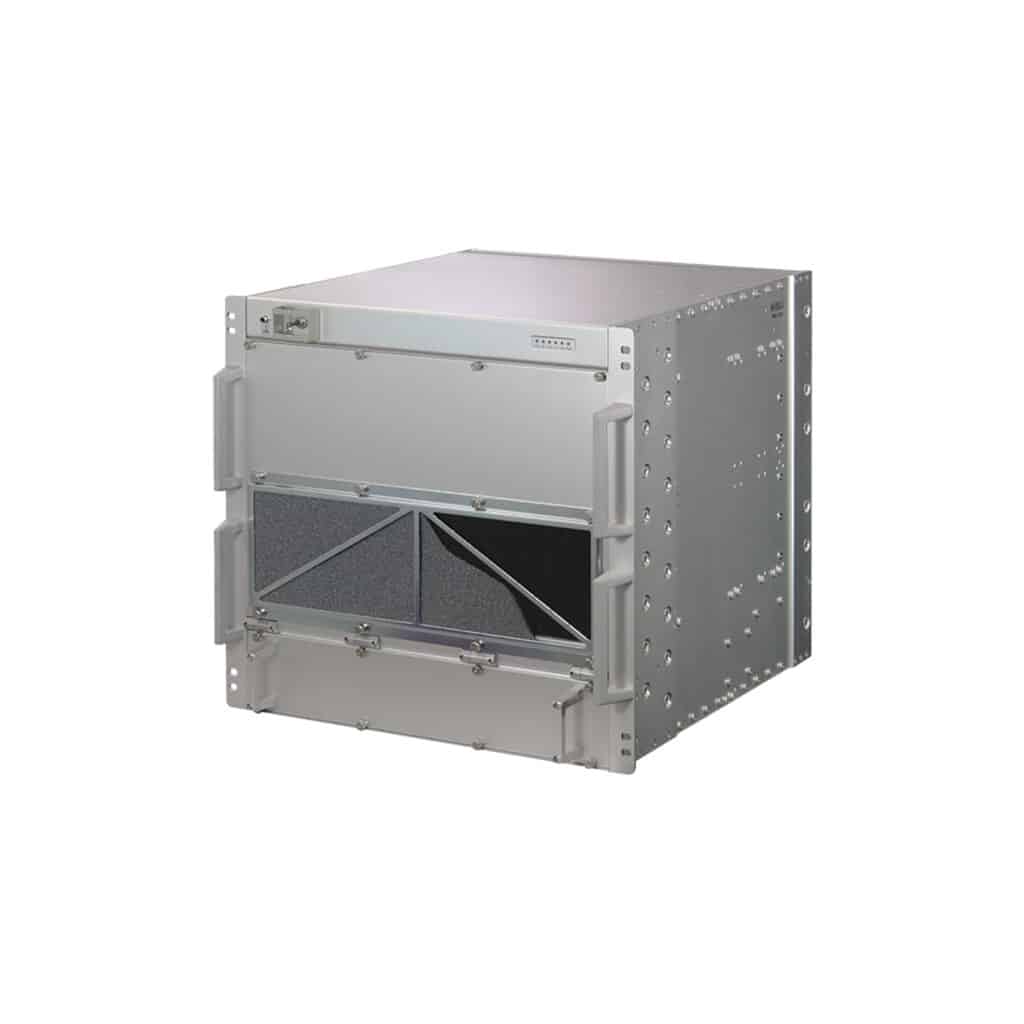
Blue Line Defense VPX System VPX-2000
Blue Line Defense VPX System VPX-2000 is a rugged 10U VPX enclosure designed for a wide range of military applications.
With the capacity to accommodate up to 10 units of 6U-size VPX boards, including related rear I/O boards, the VPX-2000 offers unparalleled flexibility and versatility.
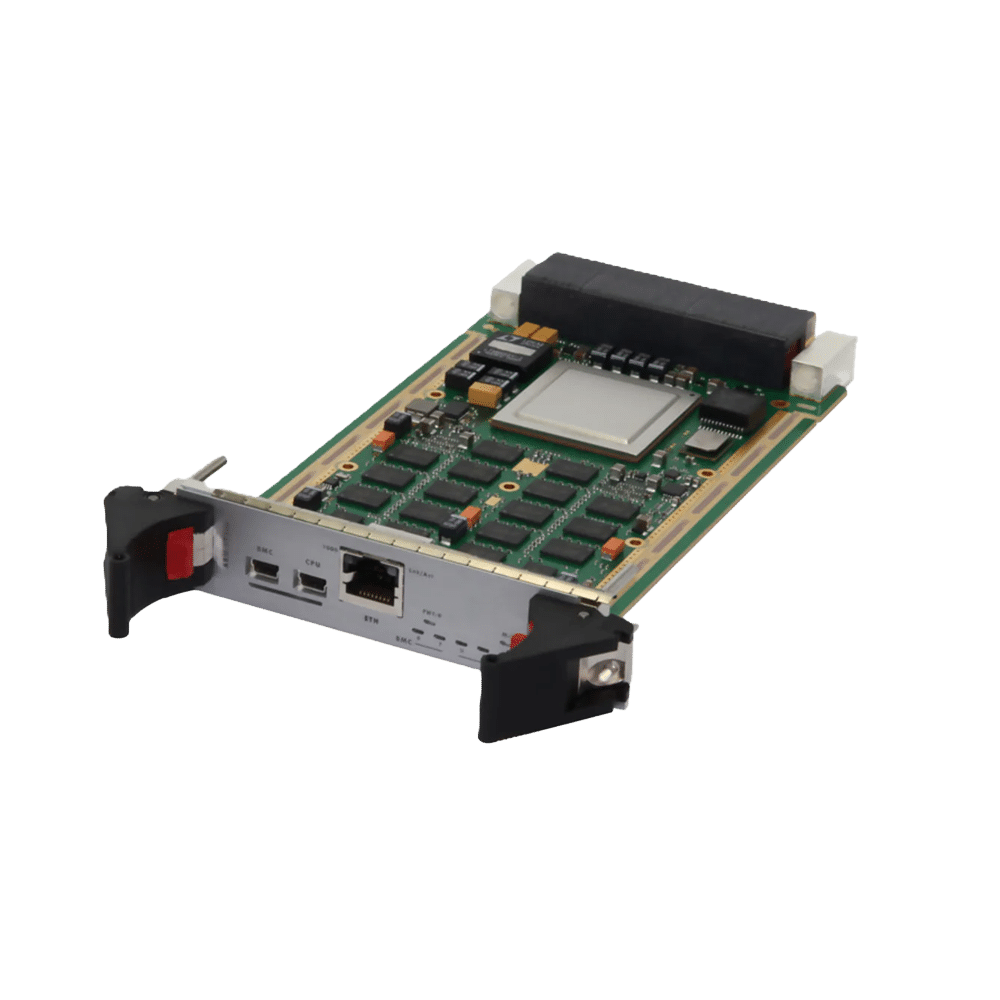
Blue Line 3U VPX System ARM-VPX3c
Blue line ARM-VPX3c is a rugged 3U VPX LX2080A/LX2160A Arm-based single board computer, designed for applications requiring high processing and communication performance. In combination with low power consumption, the board is a complete and versatile SBC dedicated to 3U VPX compact systems.
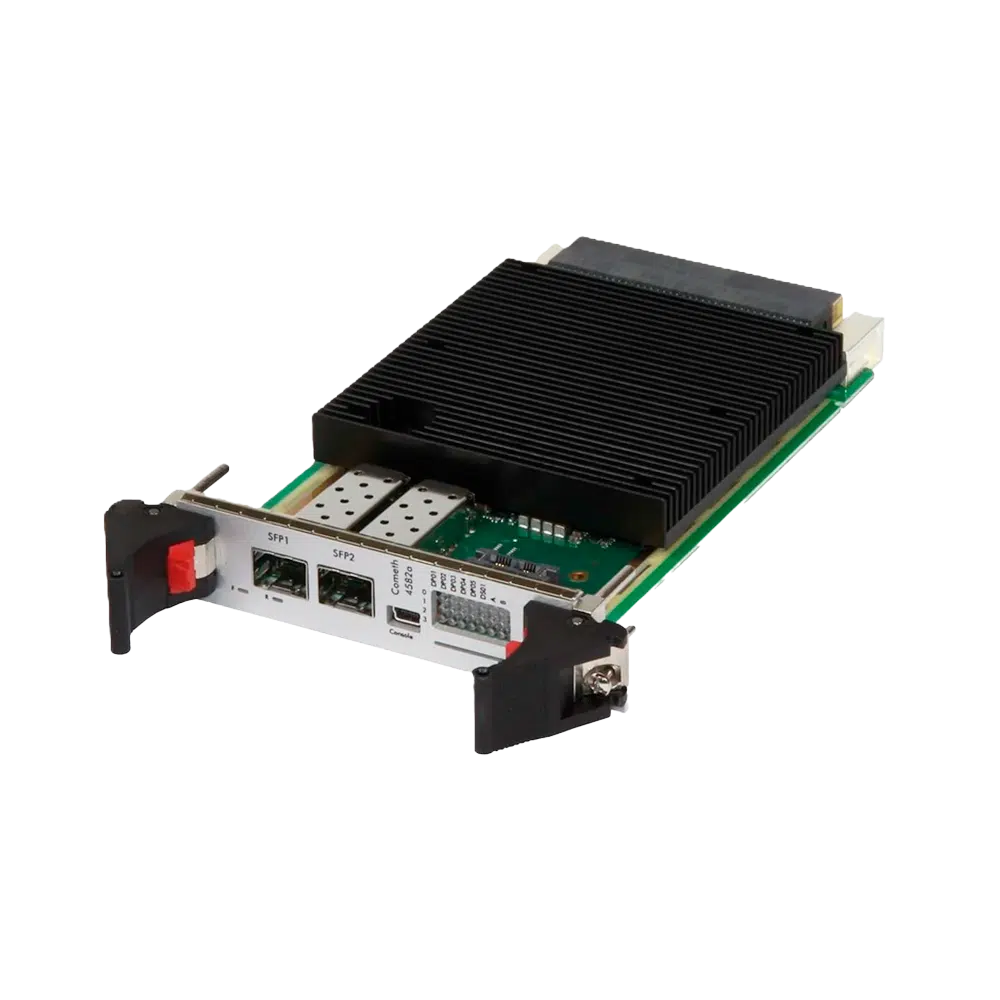
Blue Line 3U VPX Switch ComEth-4682e
Blue Line 3U VPX switch ComEth-4682e is a rugged 3U VPX 1/10/25/40/100 gigabit Ethernet switch and IP router, based on a new generation of multi-layer Ethernet matrix for high-speed embedded interconnect applications requiring 10/25/40/100 gigabit connectivity.
Blue Line 3U VPX FPGA board FEP-VPX3f
Blue Line FEP-VPX3f is a rugged 3U VPX VITA 66.5 FPGA board with FMC+ site, based on the latest AMD 20nm FPGA family.
The board enhances the front-end processing (FEP) product line of Blue Line, as one of the first VITA 66.5 compliant FPGA boards on the market today.
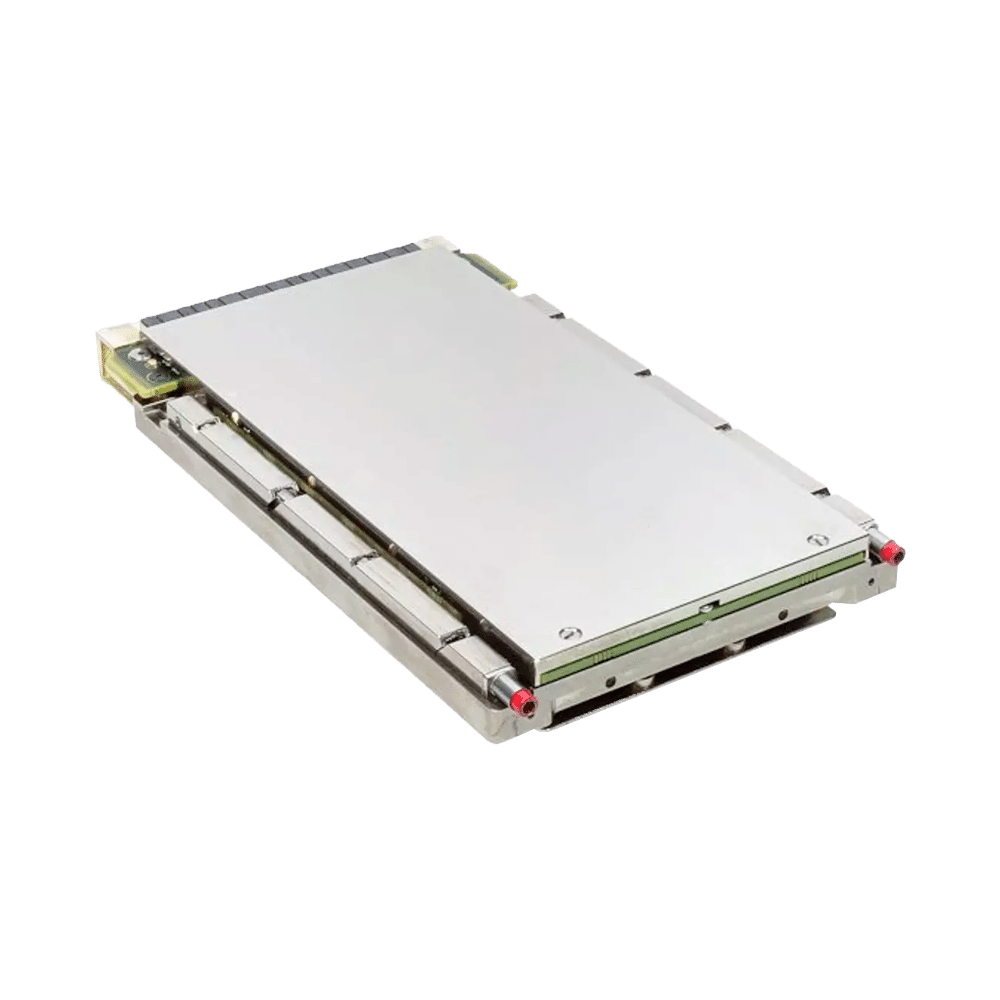
Blue Line 3U VPX CPU TR-LBx
The Blue Line 3U VPX CPU TR-LBx is a rugged, conduction-cooled 3U VPX CPU board featuring the 13th Gen Intel® Core™ i7-13800HRE Processor.
How do you select a VPX system?
Before choosing your hardware, consider these four factors:
Planning these requirements early can help you avoid choosing individual components that do not work together as intended.

Finding the right VPX solution
There is no single VPX configuration for every defense application.
The right solution depends on what you need to process, how your components communicate and the constraints of your operating environment.
Blue Line offers VPX CPU boards, FPGA boards, switches and rugged enclosures for different embedded computing requirements.
Explore our Defense Computers to see the available solutions, or contact our team to discuss your application.
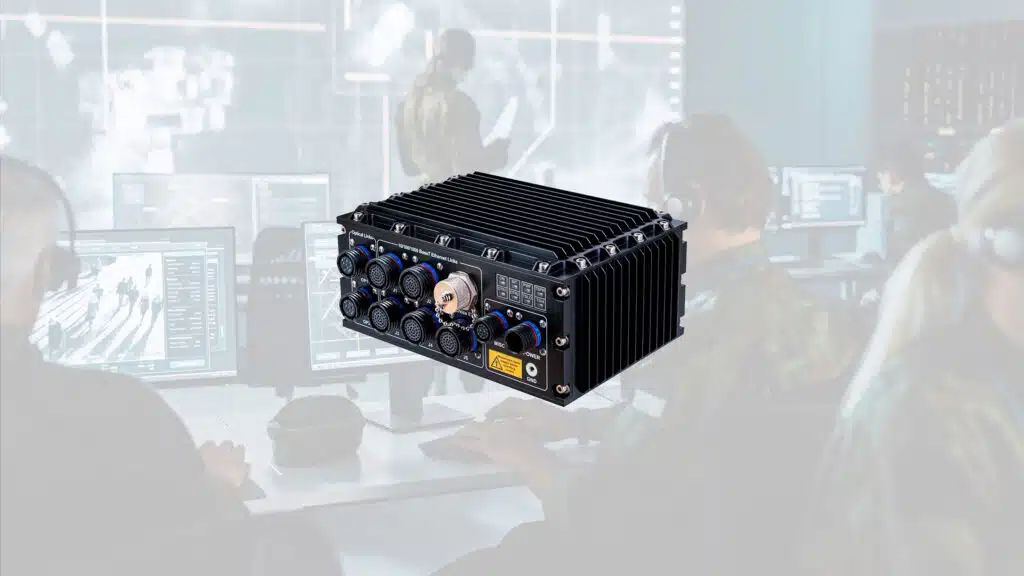
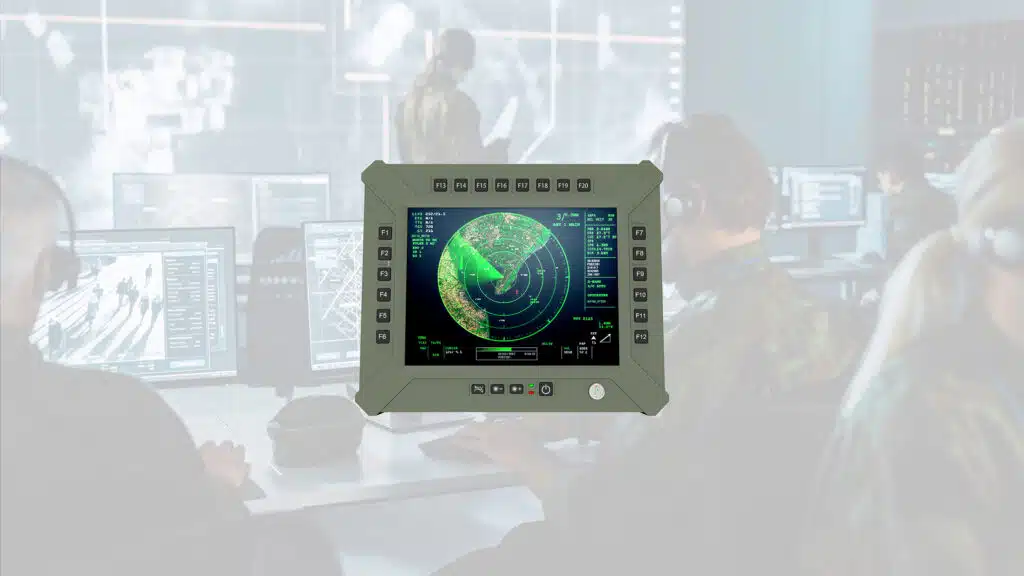
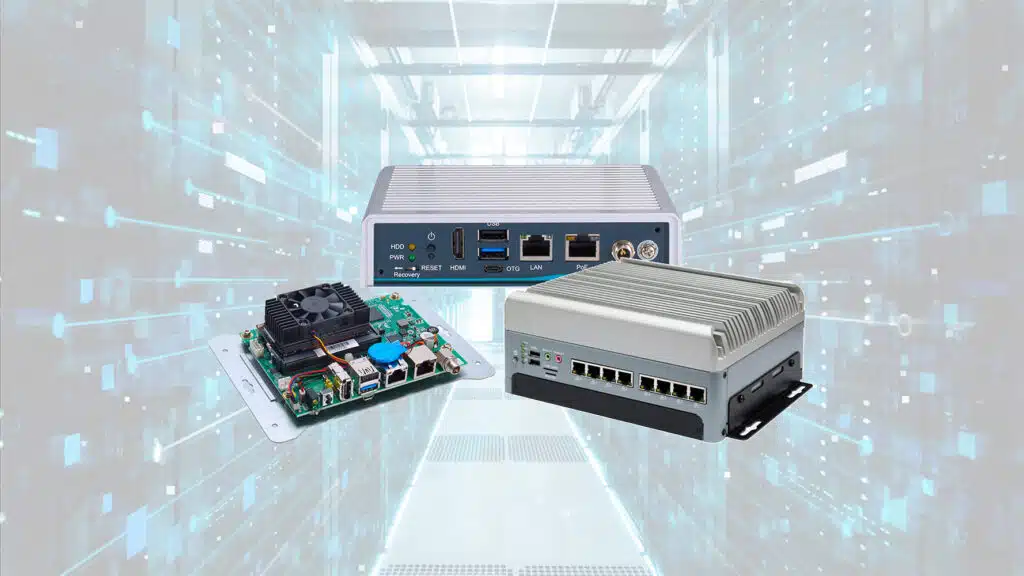
Experience our selection of defense computers
Access solutions built to overcome the unique demands of mission-critical operations
Want the complete Defense Computer Guide?
Defense computers aren’t just equipment. They’re systems that protect lives. Read the complete guide about defense computers.
FAQ – Everything you need to know about VPX systems
1. What is a VPX computer used for?
A VPX computer combines modular computing components in an embedded system. In defense applications, it can support processing, networking and specialized computing tasks.
2. What is the difference between VPX and OpenVPX?
VPX defines the hardware standards, while OpenVPX adds architectural profiles to help specify how system components connect.
3. Is 3U VPX better than 6U VPX?
Neither is automatically better. The right format depends on your application’s processing, I/O, space, power and integration requirements.
4. What does SOSA-aligned mean?
It means a product is designed with reference to applicable elements of the SOSA Technical Standard. Check the product documentation to confirm whether it meets your project’s specific requirements.

Let’s connect on LinkedIn
Get in touch for more pharma insights, upcoming events, expert knowledge or to start a conversation. Follow us on LinkedIn to stay connected.

Need help with your specific solution?
Don’t hesitate to reach out by phone, e-mail, or the form below.
Looking for someone special? Find our employees here