
What is MIL-STD-810? Your guide to reliable tech in extreme environments
MIL-STD-810 is a U.S. military standard that defines environmental testing methods used to evaluate how equipment performs under real-world conditions. It includes tests for factors such as temperature, vibration, shock, humidity, and altitude.
Importantly, MIL-STD-810 is not a certification. Manufacturers design and test their products according to the standard, but there is no official certification issued by a governing body.
If you are looking for computers or servers for defense use, you have likely come across the term MIL-STD-810. While it might look like just another technical specification on a long list, it is actually one of the most important indicators of whether your gear will survive in the field.
What does MIL-STD-810 mean?
MIL-STD-810 stands for “Military Standard 810.” It is published by the U.S. Department of Defense and provides a framework for testing equipment under environmental stress conditions.
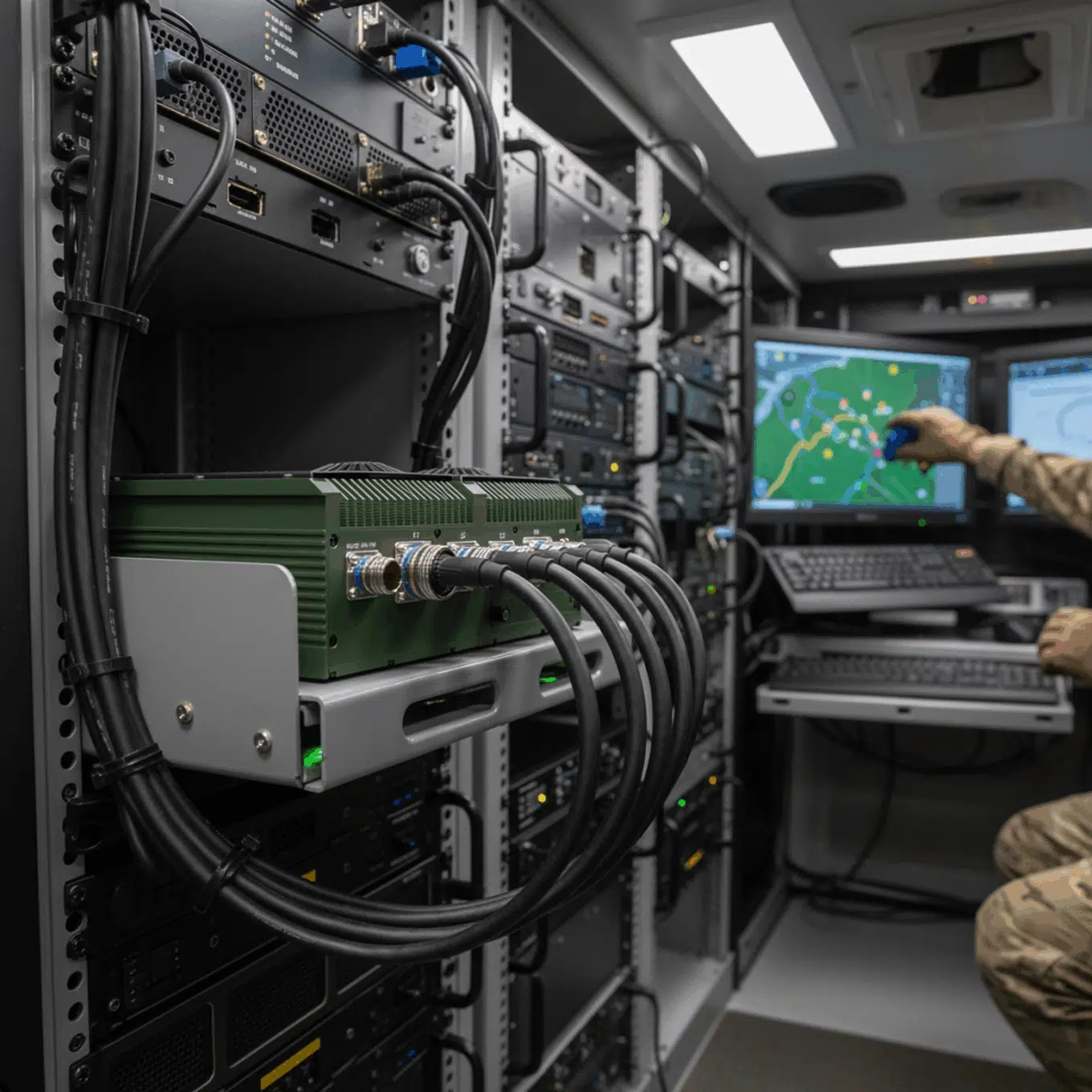
Unlike standard consumer electronics, which are tested for “normal use” in a clean, air-conditioned office, MIL-STD-810 hardware is pushed to its absolute limits.
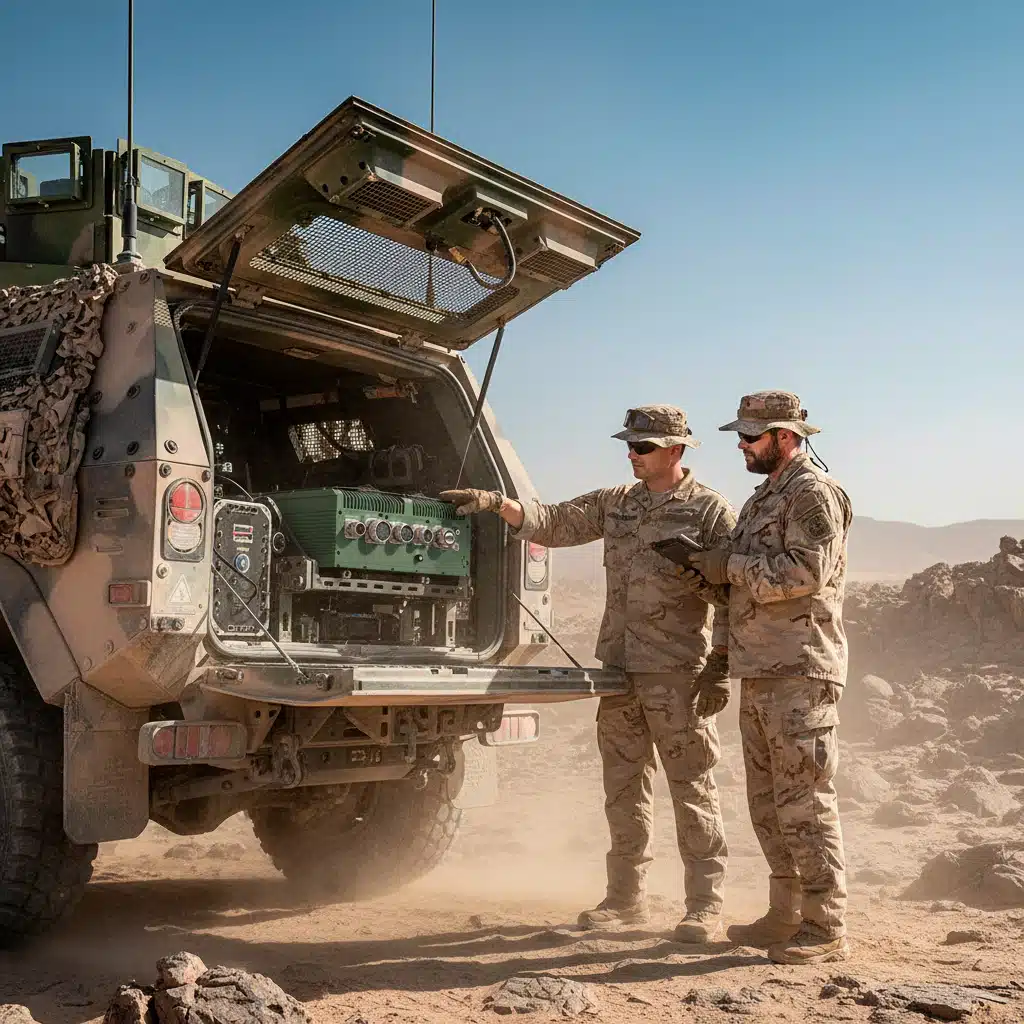
These tests are designed to simulate the real-world stress that equipment faces in the defense sector. Everything from being bolted to a vibrating engine deck to operating in a humid jungle or a freezing mountain range.
One of the most important things to understand about MIL-STD-810 is that it isn’t a “one-size-fits-all” test. It is a flexible framework.
This means that a manufacturer can choose the specific tests that are relevant to where the computer will actually be used. This process is called “Tailoring” and it ensures that you don’t just get a “tough” computer, but a computer that is tough in the right ways for your specific mission.
Is MIL-STD-810 a certification?
No, MIL-STD-810 is not a certification.
There is no official authority that certifies products as “MIL-STD-810 compliant.” Instead, manufacturers conduct their own tests based on the standard’s methods.
This means that compliance can vary significantly between products.
What does MIL-STD-810 test for?
Military Standard 810 includes a wide range of environmental tests, including:
- Temperature extremes (high and low)
- Thermal shock
- Vibration
- Mechanical shock
- Humidity
- Dust and sand exposure
- Altitude
Want to know all about defense computers?
The 4 most critical tests for your operations
The MIL-STD-810 framework covers nearly 30 different laboratory test methods.
The advantage of MIL-STD-810 compliant solutions
When you choose a solution compliant with Military Standard 810, you are choosing predictability.
In a defense setting, the unknown is your biggest enemy. You don’t want to guess if your server will start up in sub-zero temperatures or if the screen will fail when exposed to high humidity for weeks on end.
For defense and industrial professionals, this standard is the difference between a system that lasts for years and one that needs constant repairs. It provides a common language between you and the manufacturer, ensuring that “rugged” means the same thing to everyone.
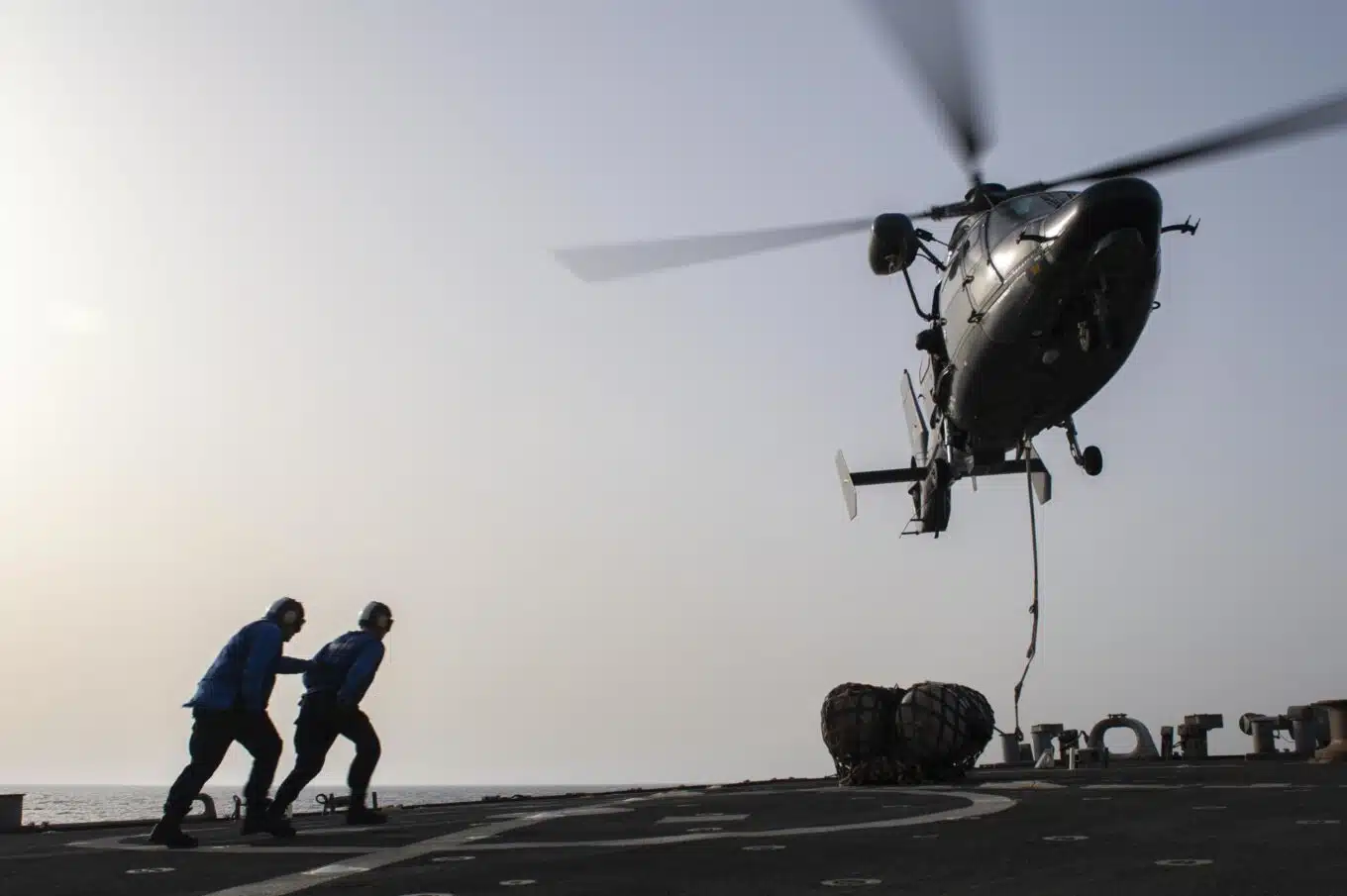
Experience our selection of defense computers
Access solutions built to overcome the unique demands of mission-critical operations

How Blue Line applies these standards
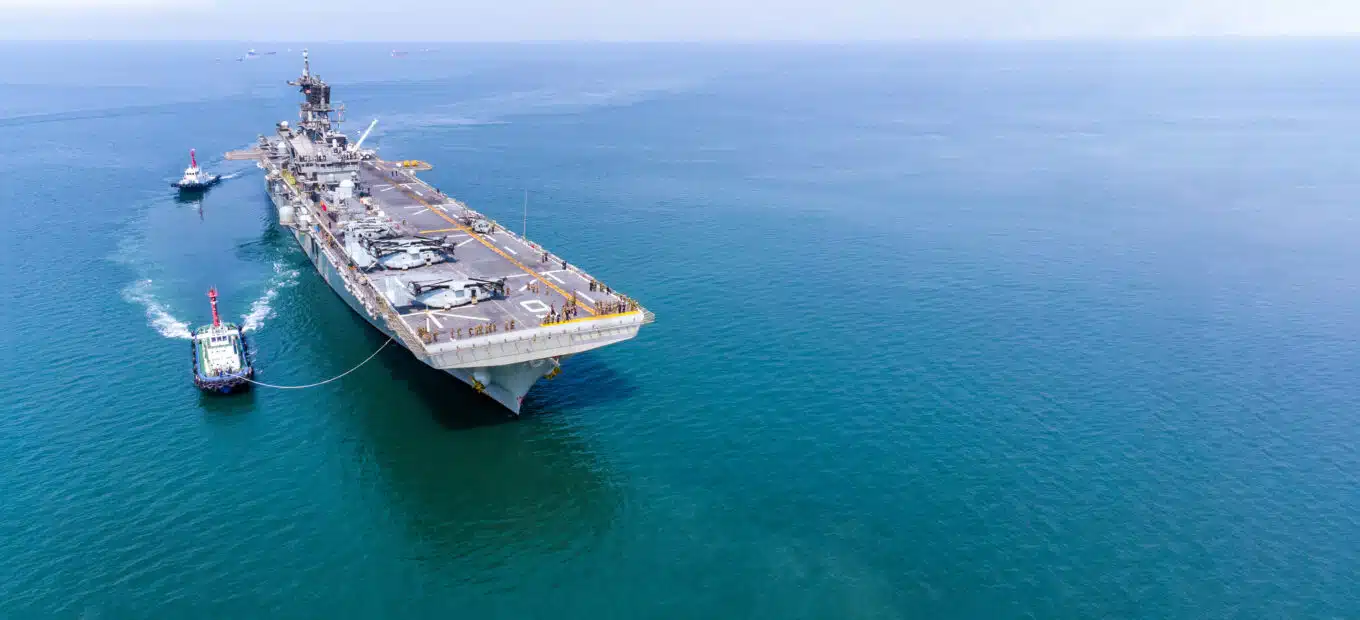
At Blue Line, we don’t believe in “one size fits all”. We know that a naval command center has different needs than a mobile tactical unit. We focus on practical, high-performance engineering that solves real-world problems for you.
It’s about Total Cost of Ownership (TCO)
You might wonder if it’s worth investing in MIL-STD-810 compliant gear compared to standard industrial PCs. The answer lies in the long-term cost.
If a standard computer fails during an operation, the cost isn’t just the price of a new PC. It’s the cost of downtime, the logistical challenge of replacing it in a remote location, and the potential risk to your mission’s success.
By choosing hardware built to military standards from the start, you are investing in peace of mind. You get a longer product lifecycle and a much lower risk of unexpected failures.

Panel PCs supports the Danish Armed Forces’ naval operations
View case study“For many years now Blue Line has delivered customized panel PCs that meet the Navy’s strict military requirements for functionality and security.”
The Royal Danish Navy, Danish Defence
“If you want to protect your mission capabilities and stay ahead of future requirements, choosing the right hardware is essential”
– Brian Ulskov Sørensen, CEO & Defense Specialist, Blue Line Nordic.
Secure your mission with Blue Line defense computers & servers
In the field, you need more than just hardware; you need MIL-STD-810 validated resilience. At Blue Line, we use our 40 years of experience to turn complex military standards into reliable defense solutions that won’t quit when conditions get tough.
By choosing Blue Line, you gain:
- MIL-STD-810 reliability: Proven protection against extreme vibration, shock, and heat.
- Modular security: Future-ready platforms with security built into every layer.
- Operational peace of mind: Durable solutions that reduce downtime and long-term costs.
If you want to strengthen your operational resilience or need a custom solution, we are ready to guide you. Let’s build your secure defense computing foundation together.
Stay safe with defense computers
They’re equipment that can mean the difference between life and death, keeping missions on track, protecting critical decisions, and ensuring you stay operational when it matters most.
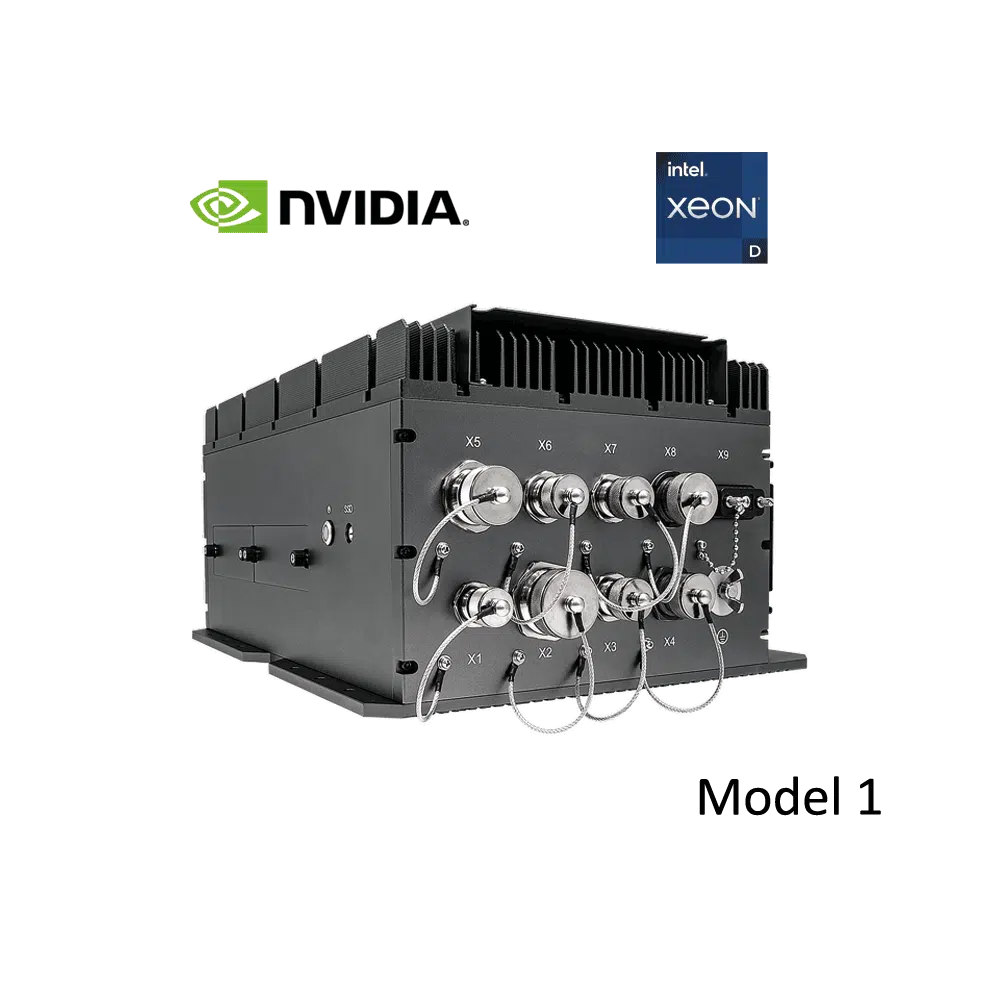
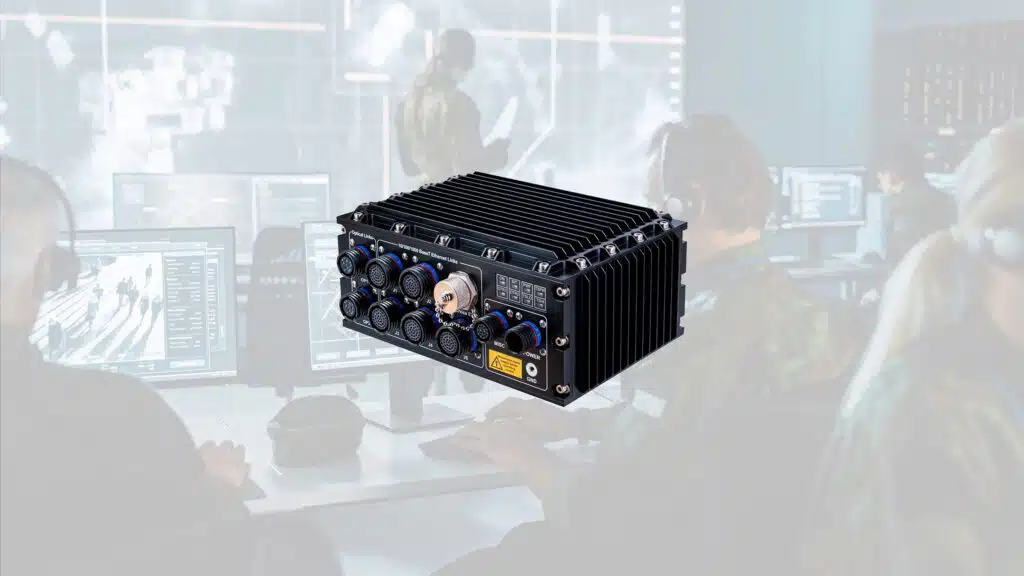
Blue Line Defense AI EDGE GPU Computer DPC-2100
Blue Line Defense AI EDGE GPU Computer DPC-2100 is a robust AI Inference server-class platform engineered to withstand challenging environments.
This ruggedized solution is equipped with an Intel Xeon Processor, offering up to 20 Cores, and is enhanced with NVIDIA technology.
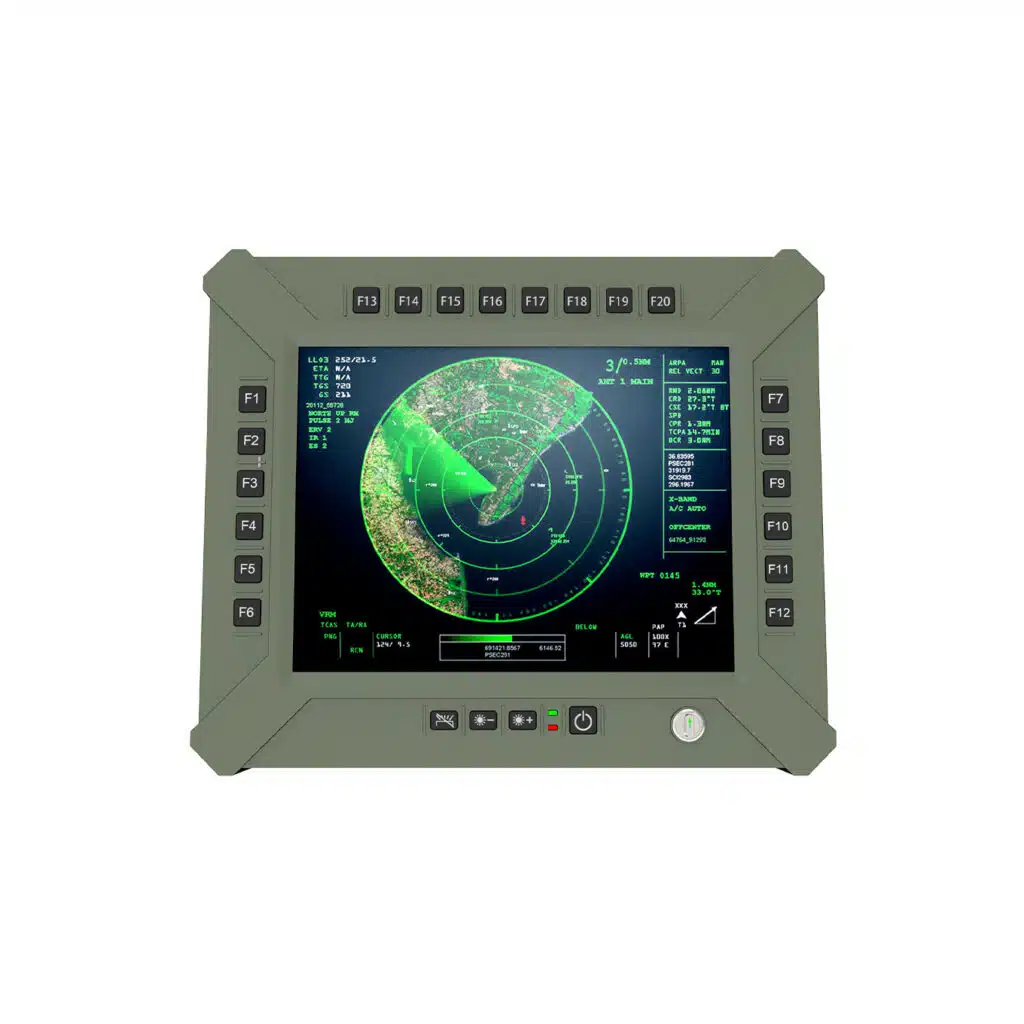
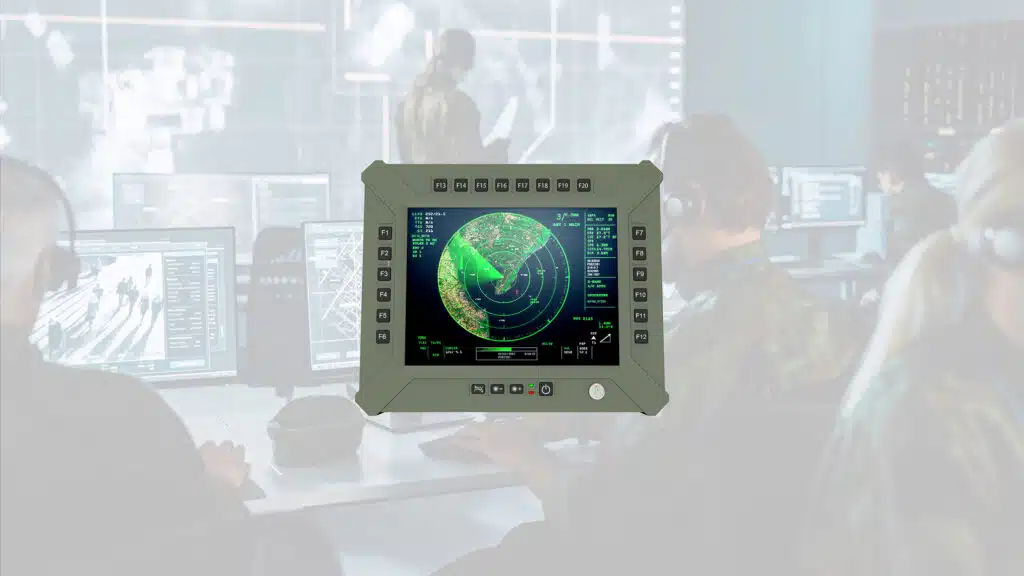
Blue Line Defense Panel Computer DPPC-2000
Blue Line Defense Panel Computer DPPC-2000 is A rugged mission-critical panel computer with a high LCD super brightness of up to 1000 nits and night vision (NVIS) capability at under 1 nit.
It features optical bonding of protective glass (GFG) touch screens, EMI filtering/EMI mesh shielding, and anti-reflection/anti-glare (AR/AG) coatings.

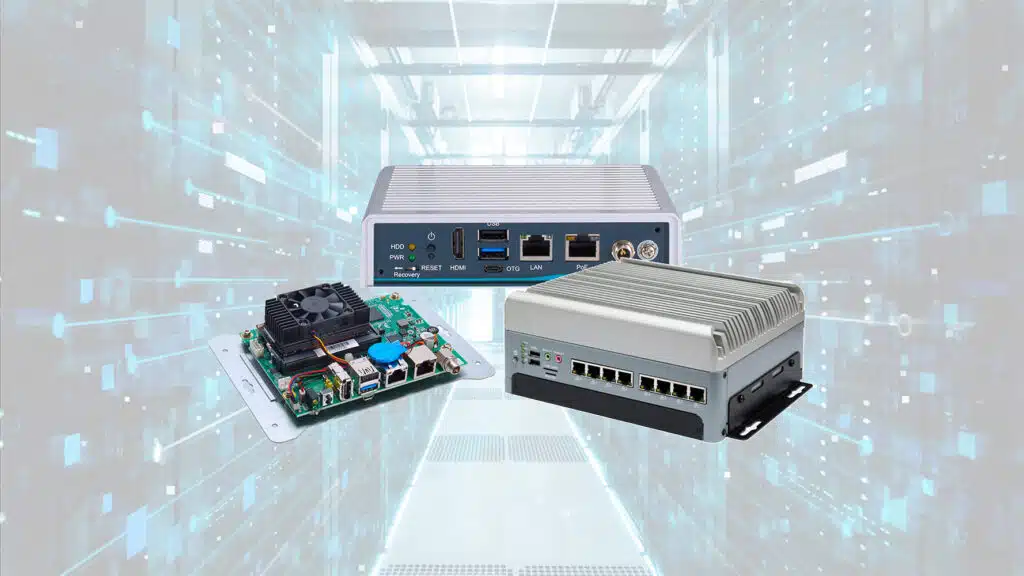
Defense VPX System VPX-3500
Defense VPX-3500 System is a Modular Military Rugged ATR enclosure, geared for 3U OpenVPX designs.
The versatile design allows multiple customizable configurations based on proven components and design techniques. The Hybrid conduction cooling cold plate assisted by forced air sets with aggregate power demands over 300W, assisted by liquid up to 600W.
Related insights


FAQ
1. What is MIL-STD-810 used for?
MIL-STD-810 is used to test equipment under extreme environmental conditions such as temperature, vibration, shock, humidity, and dust, ensuring it performs reliably in harsh environments.
2. Is MIL-STD-810 required?
No, it is not legally required. It is a voluntary standard used by manufacturers to ensure durability and reliability.
3. What is the difference between MIL-STD-810G and MIL-STD-810H?
MIL-STD-810H is the latest revision of the standard, while 810G is its widely-used predecessor. Both versions offer high levels of ruggedness. The “H” version includes more refined testing procedures and focuses more on the product’s entire lifecycle. Most professional defense applications still rely on the proven “G” version as a trusted benchmark.
4. Is MIL-STD-810 a certification?
No, MIL-STD-810 is a standard, not a certification. Manufacturers perform their own tests and there is no official certification issued.
Let’s connect on LinkedIn
Get in touch for more pharma insights, upcoming events, expert knowledge or to start a conversation. Follow us on LinkedIn to stay connected.

Need help with your specific solution?
Don’t hesitate to reach out by phone, e-mail, or the form below.
Looking for someone special? Find our employees here