
How to choose the best cleanroom computer workstation for pharma production
Choosing a cleanroom workstation isn’t just about finding a computer with the right specifications. It’s about finding a solution that fits the way your operators work.
Whether you’re replacing older equipment or planning a new production line, the right cleanroom workstation should make everyday tasks easier, support your GMP requirements, and fit naturally into your production environment.
That’s why it’s worth looking beyond processors, memory, and screen size. Factors such as cleanability, ergonomics, usability, and integration with production systems can have just as much impact on your daily operations.
In this guide, we’ll walk you through the key factors to consider when choosing a cleanroom workstation, so you can find a solution that supports your production today and your future needs.
What is a cleanroom computer workstation?
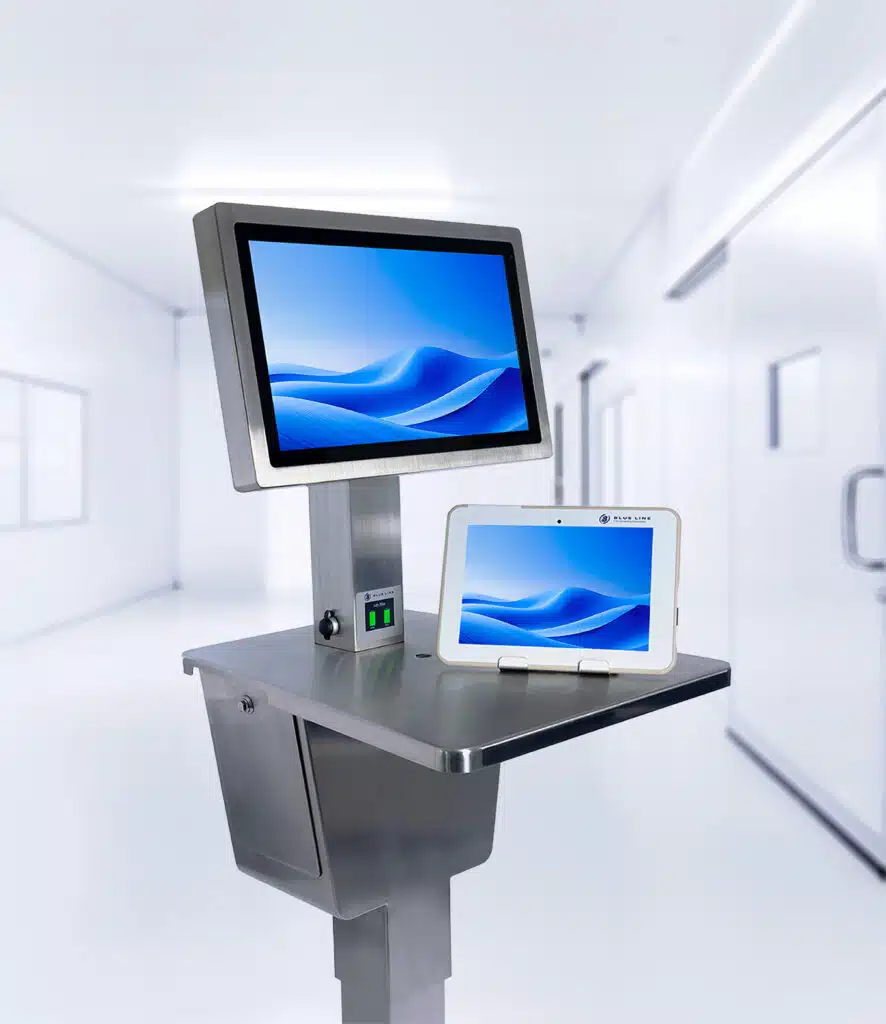
A cleanroom computer workstation is a computer-based IT solution designed for controlled environments where hygiene, reliability, and easy cleaning are essential.
Unlike a standard industrial computer or workstation, it is designed for the demands of pharmaceutical and life science production, including frequent cleaning and disinfection.
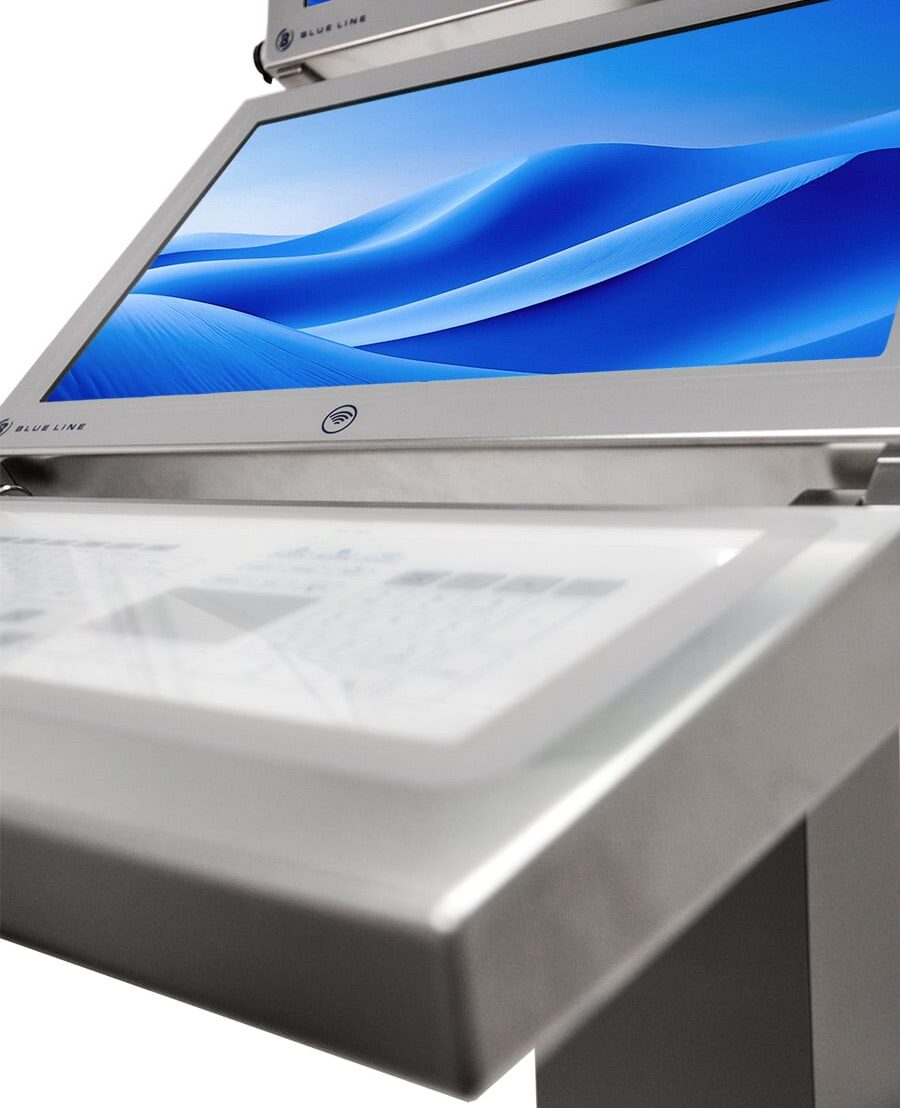
Depending on the application, a cleanroom workstation can combine a computer, display, keyboard, mouse and other peripherals in a solution designed for use directly in the production environment.
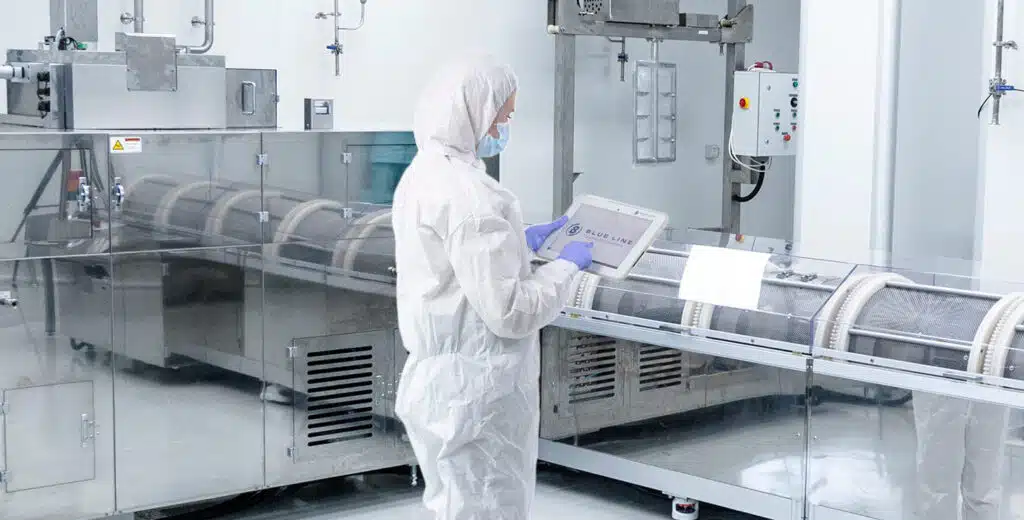
The workstation gives operators access to production systems, electronic batch records, MES software, and other applications where the work takes place. This can help reduce unnecessary movement between production areas and fixed computer terminals.
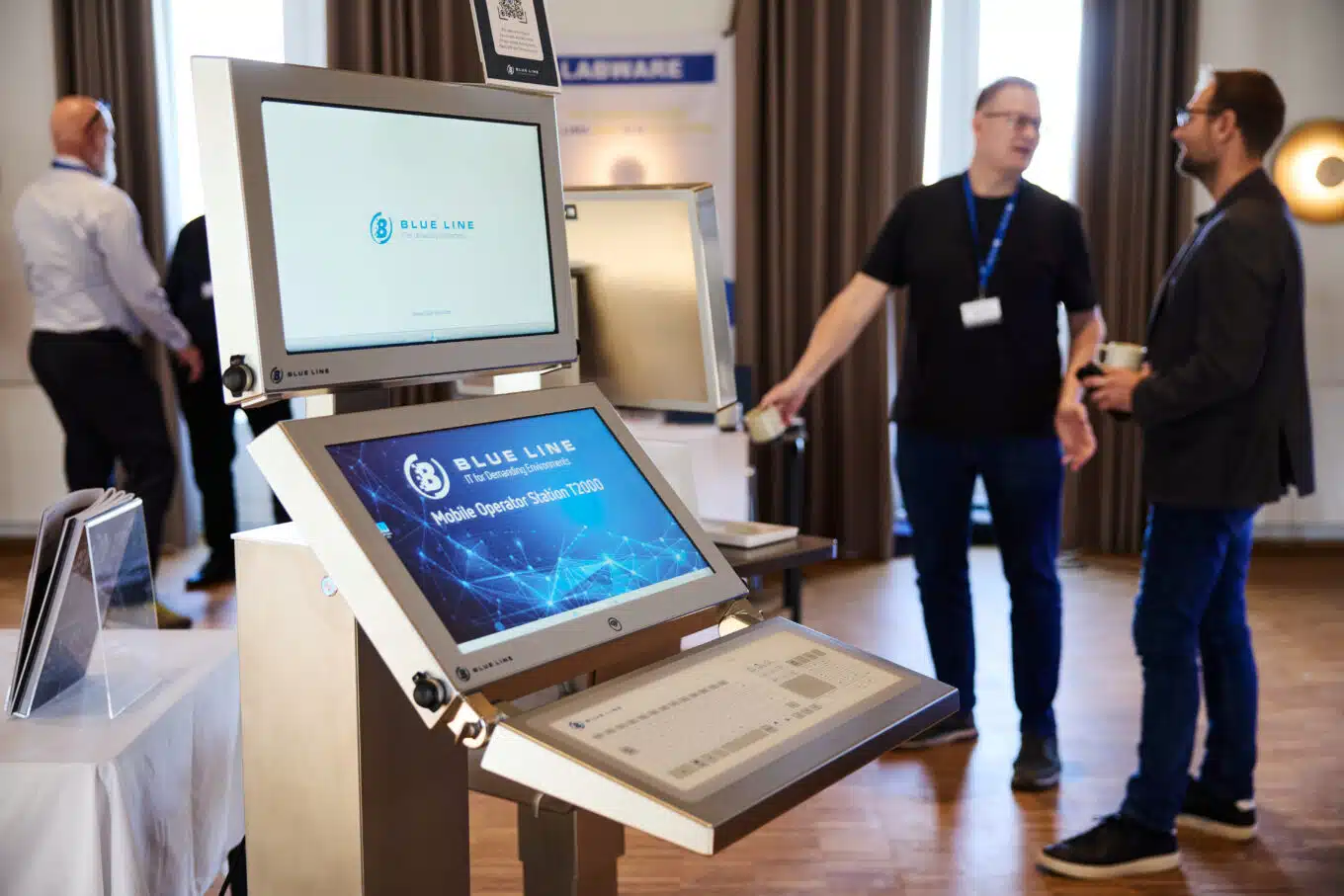
For workflows where operators need to move between work areas, a Mobile Operator Station can bring the computer directly to the point of use. This makes it easier to document processes, access production data, and work efficiently without interrupting the workflow.
Start with your daily workflow
It’s easy to compare technical specifications.
But those specifications only tell part of the story.
A much better place to start is by looking at how your operators actually work throughout the day.
When you understand how the workstation will be used, it becomes much easier to choose the right solution.
Ask yourself questions like:
Choose a workstation designed for cleanroom environments
Not every industrial computer is suitable for pharmaceutical production.
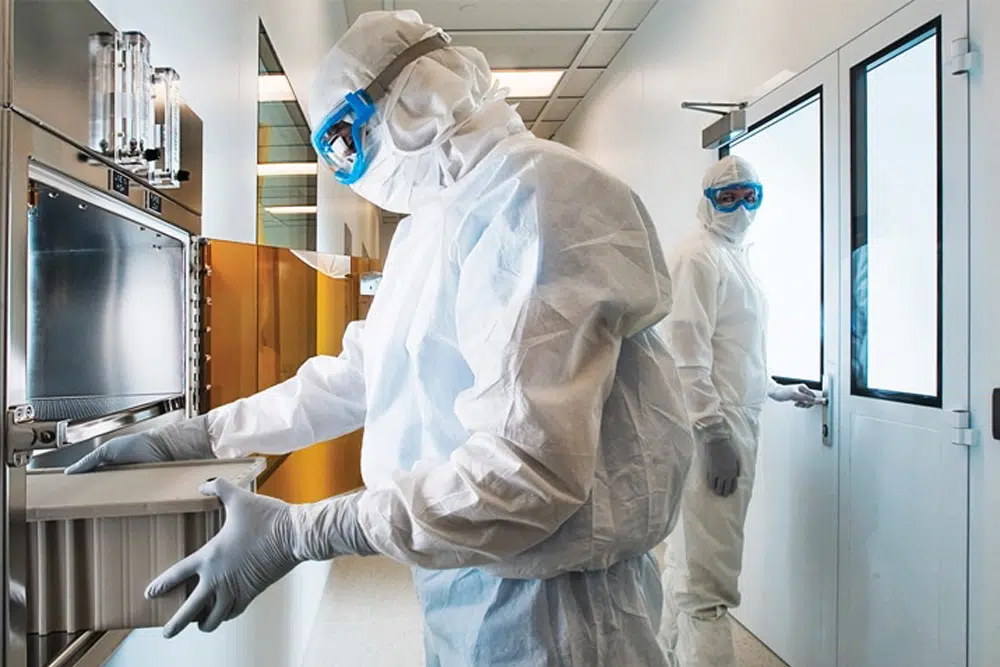
A workstation used in a cleanroom should support your cleaning procedures, not make them more difficult.
Look for features such as:
- A fanless design that reduces particle generation.
- Smooth surfaces that are easy to clean.
- A sealed enclosure that prevents dust and moisture from entering.
- Materials that can withstand regular cleaning and disinfection.
- A hygienic design without unnecessary gaps where dirt can accumulate.
These details may seem small, but they make a big difference in day-to-day operation.
Fixed or mobile? Think about how your operators work
One of the biggest decisions is whether you need a fixed workstation or a mobile solution.
If operators spend most of the day at the same production line, a fixed workstation may be the right choice.
But if they move between rooms, production lines, or inspection areas, a Mobile Operator Station often creates a smoother workflow.
Instead of walking back to a fixed computer every time they need to document a process or check production data, the workstation moves with them.
That can save time throughout the day and make tasks like electronic batch recording, quality inspections, and material verification much more efficient.
The goal isn’t simply to make the workstation mobile. It’s to bring the technology closer to where the work happens.
Don’t overlook ergonomics
A workstation is something your operators use every day.
Small improvements in ergonomics can make a noticeable difference over time.
Look for features such as adjustable height, comfortable screen positioning, and a stable design that’s easy to move without compromising safety.
When a workstation feels natural to use, operators can focus on the task instead of the equipment.
Choose a solution that grows with your production
Production rarely stands still.
New equipment is added, software is updated, and workflows change over time. That’s why it’s worth thinking a few years ahead when choosing a cleanroom workstation.
A modular solution gives you more flexibility. You can add accessories, upgrade hardware, or adapt the workstation as your production evolves, instead of replacing the entire setup.
If you’re investing in new equipment, it should support your production for years to come, not just today’s requirements.
“Mobility has transformed how our cleanroom staff works. We’ve saved hours of documentation every week.”
– Quality Manager, Global Pharma Company
Common mistakes when choosing a cleanroom workstation
A workstation can look perfect on paper but still turn out to be the wrong choice. Here are a few of the most common mistakes.
New to cleanroom computers? Start here.
Learn what a cleanroom computer is, why it matters in GMP environments, and how to choose the right solution for your production.
Questions worth asking before you invest
Before making your decision on your cleanroom workstation, it’s worth asking your supplier a few practical questions.
The answers often tell you more than a technical specification sheet.
| Question | Why it matters |
| Is the workstation designed for GMP-regulated environments? | Helps ensure the solution fits pharmaceutical production. |
| Is it easy to clean and disinfect? | Supports your daily cleaning procedures. |
| Can it be configured to match our workflow? | Every production environment is different. |
| Does it integrate with our existing software and peripherals? | Protects your current IT investment. |
| Can the solution be upgraded in the future? | Gives you greater flexibility as your production evolves. |
Why more manufacturers are choosing Mobile Operator Stations
Digital production has changed the way many pharmaceutical manufacturers work.
Instead of bringing operators to the computer, more companies are bringing the computer to the operator.
A Mobile Operator Station makes it easier to access production data, document processes, and work efficiently without unnecessary trips between production lines and fixed terminals.
For operators, that means fewer interruptions during the day.
For production teams, it can mean smoother workflows and more time spent on value-adding tasks.

Find the right cleanroom workstation for your production
The best cleanroom workstation isn’t necessarily the one with the longest list of specifications.
It’s the one that fits your production, supports your operators, and works as a natural part of your daily processes.
At Blue Line, we’ve spent more than 40 years developing IT solutions for demanding environments.
Our Mobile Operator Stations are designed specifically for pharmaceutical and life science production, combining hygienic design, reliable computing, and the flexibility needed in modern GMP-regulated facilities.
If you’re looking for a cleanroom workstation that fits the way you work, we’re always happy to help you find the right solution.
Explore Mobile Operator Stations for your environment
Browse Blue Line’s range of hygienic Mobile Operator Stations to find the solutions designed to boost efficiency, compliance and control in your cleanroom.
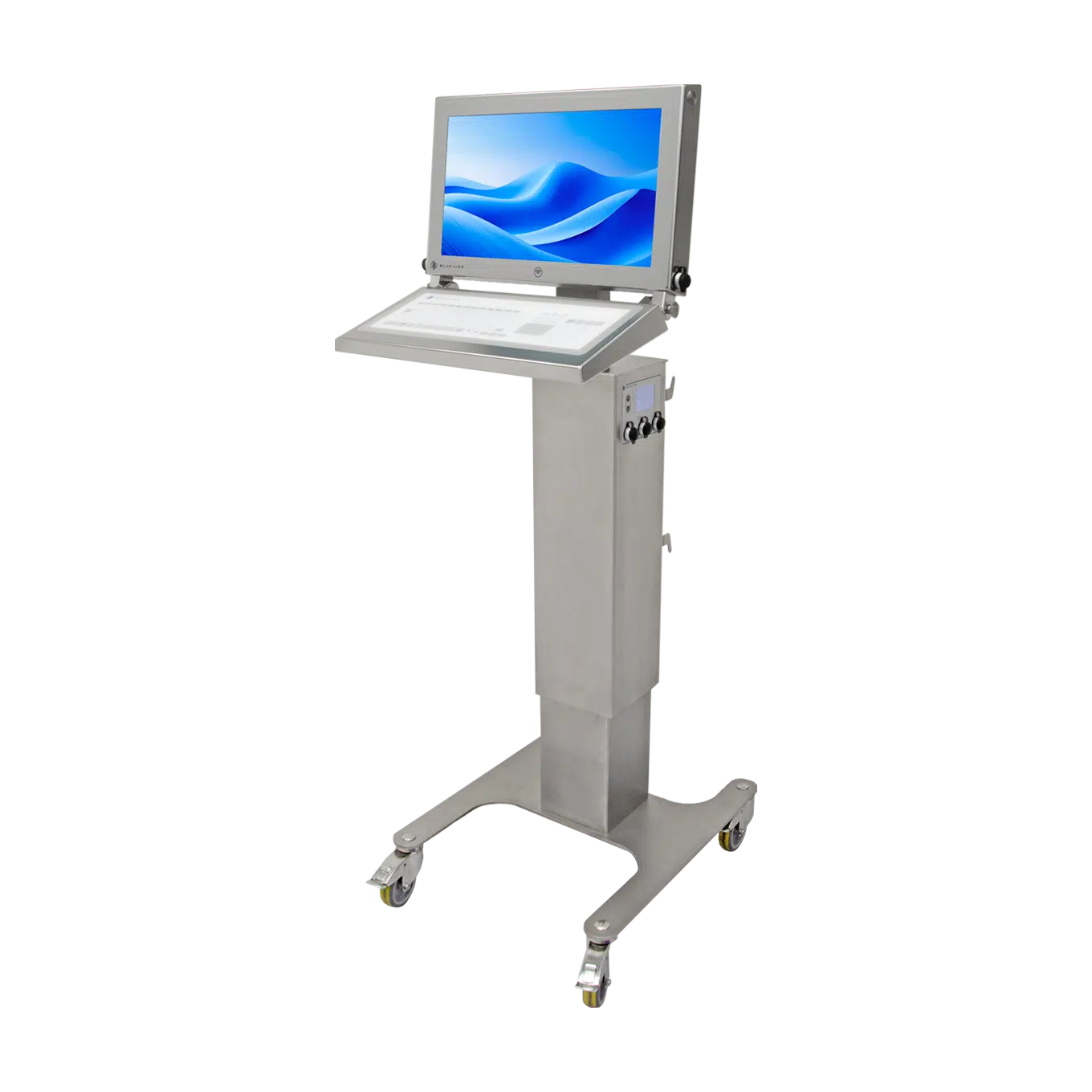
Mobile Operator Station T2000
The Mobile Operator Station T2000 delivers essential mobility and ergonomics for IT operations in cleanrooms and biotech environments. The T2000 maintains full functionality while offering a streamlined and cost-effective approach to mobile cleanroom technology.
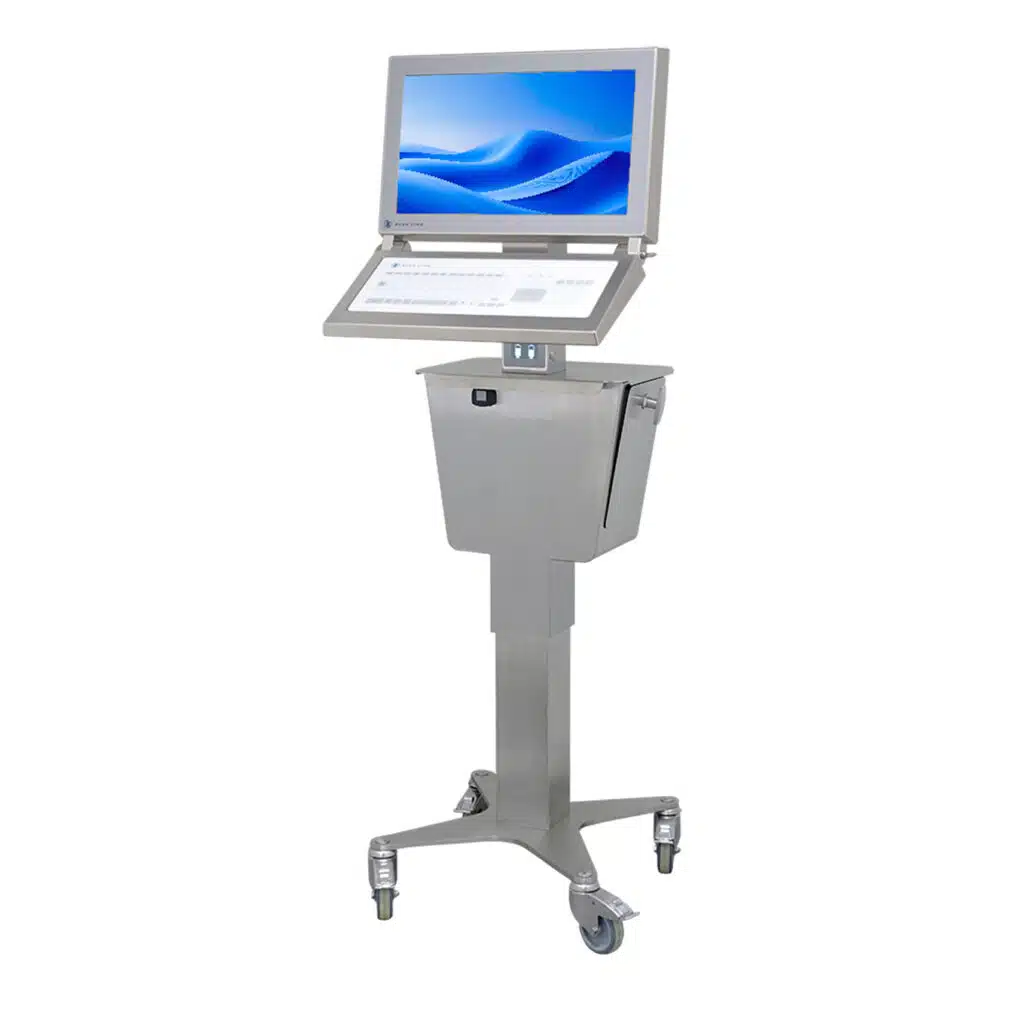
Mobile Operator Station T3000
Mobile Operator Station T3000 is the most complete operator station offering ultimate mobility and ergonomics for IT operation in cleanrooms and biotech. Enable full digitization of workflows and achieve a flexible position that is prepared for future needs for changes in production.
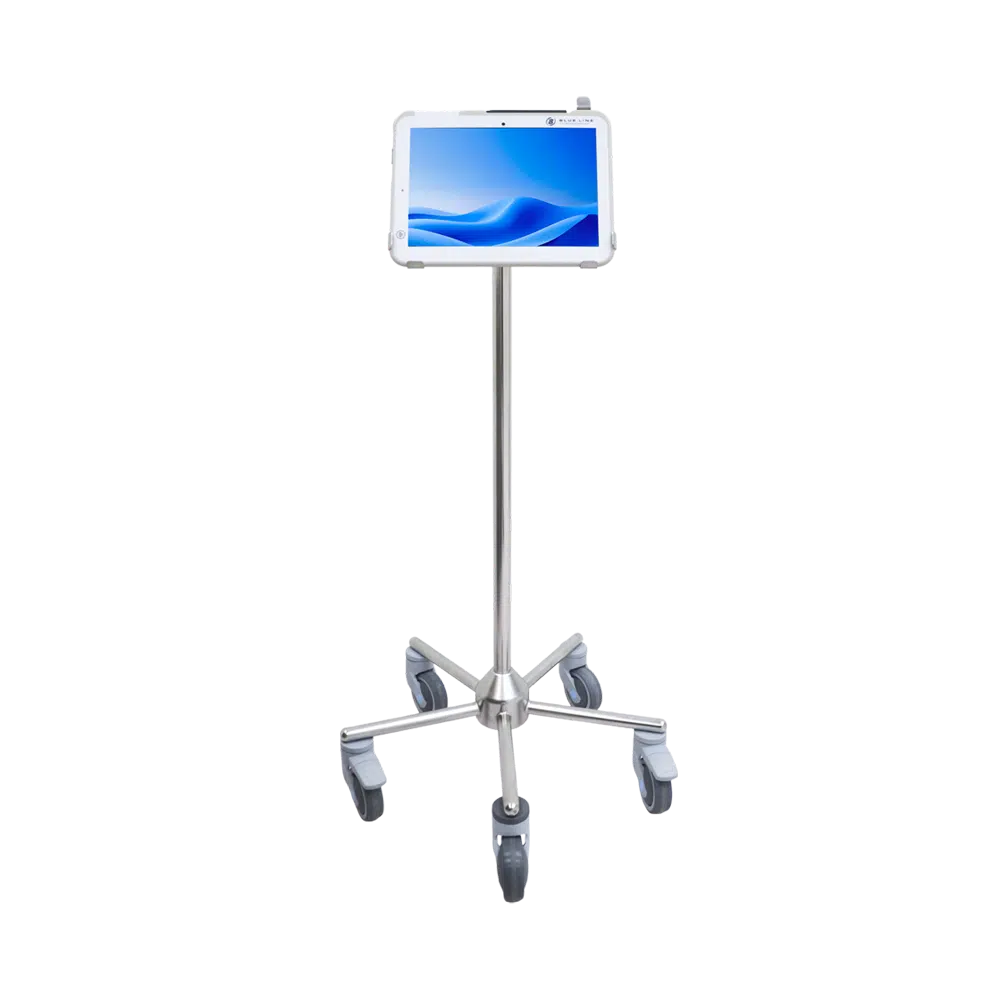
T100 Mobile Tablet Stand
Discover the T100 Mobile Tablet Stand, a mobile workstation that brings your cleanroom tablet directly to where work happens. Designed for full cleanroom compatibility, it allows operators to access SOPs, batch records, and process monitoring exactly at the point of use while maintaining hygiene and ergonomic operation.
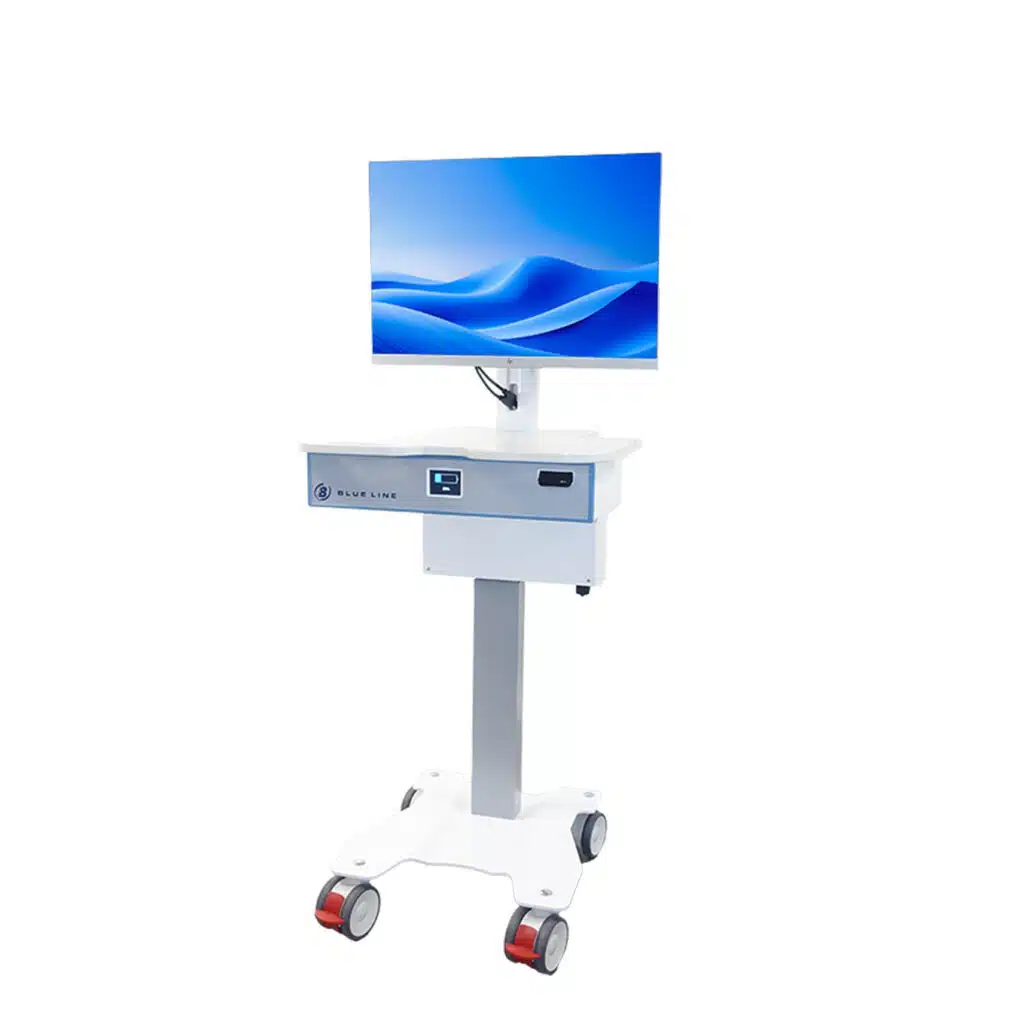
Mobile Operator Station T500
Blue Line’s Mobile Operator Station T500 is designed for life science environments that require a light weight solution but also want the benefit of a powered mobile workstation. Cleanable with IPA wipe down and damp cloth.
Want to know more? Reach out to us.

Michael Asmussen
Sales Director USA, Canada & LATAM- Danish and English speaking
- Mobile Operator Station
- Cleanroom Tablet
- Cleanroom Workstation
- Waterproof HMI
- Custom Solution